
7 Essential Elements Every High-Converting Landing Page Needs
Discover the core components that separate effective landing pages from ineffective ones.
Read ArticleLearn how to nurture leads through your funnel with effective form design, follow-up sequences, and lead scoring techniques that actually convert prospects into customers.

Lead generation isn’t just about collecting email addresses. It’s about building a systematic approach that identifies interested prospects and moves them through a carefully designed journey. The best landing pages don’t exist in isolation — they’re part of a larger ecosystem where each touchpoint matters.
You’ll want to think about this in stages. Your landing page captures attention. Forms qualify interest. Follow-up sequences nurture relationships. Lead scoring identifies who’s ready to buy. It’s not complicated, but it does require intentional design and strategy at every step.


Your landing page form is where the magic happens. We’re talking about the actual moment someone decides to give you their information. You’ll want to keep it simple — research shows that forms with 3-5 fields get 25% more submissions than forms with 10+ fields.
Start with the essentials: name, email, and one qualifying question. That qualifying question is critical. It could be “What’s your company size?” or “Are you actively looking in the next 30 days?” This single field tells you whether someone’s a genuine prospect or just curious.
Button text matters too. Instead of generic “Submit,” try “Get My Free Guide” or “Send Me the Checklist.” You’re telling people what they’re actually getting, not just asking them to click a button.
Here’s what most people get wrong: they think the landing page is where conversion happens. It’s not. The landing page gets the email. The follow-up sequence gets the customer. You’re building an automated email series that guides leads from interest to decision.
A solid sequence looks like this: Email 1 (immediately after signup) delivers what you promised. Email 2 (day 2) provides value — maybe a case study or tip. Email 3 (day 4) introduces your solution. Email 4 (day 7) shares social proof. Email 5 (day 10) creates mild urgency. Most of your conversions happen by email 5.
Personalization boosts open rates by about 50%. Use their name, reference their industry, acknowledge their specific challenge. It’s the difference between “Check out our platform” and “Hi Sarah, here’s how SaaS companies like Acme Corp reduced onboarding time by 40%.”


Not all leads are created equal. Lead scoring helps you figure out which ones are actually worth your sales team’s time. You’re assigning points based on behaviors and characteristics. Someone who opened 4 emails and visited your pricing page? That’s a higher score than someone who opened one email 6 months ago.
Create a scoring model with explicit criteria. Company size matters — maybe you only want leads from companies with 50+ employees. Job title matters — you probably want decision-makers, not interns. Engagement matters — email opens, page visits, content downloads all count.
Most platforms let you set a threshold. When a lead hits 40 points, they’re sales-ready. Below 20 points, they stay in nurture mode. This prevents your sales team from chasing cold leads while hot prospects slip through the cracks.
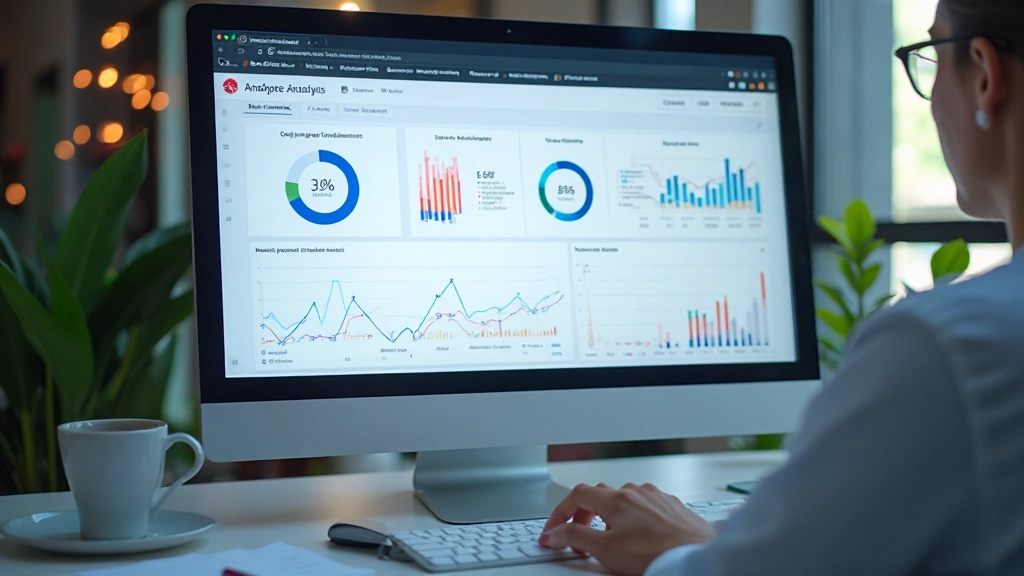
Data drives better decisions at every stage of your funnel
Track what percentage of visitors become leads. Average is 2-5% depending on industry. If you’re below 2%, your form’s probably too long or your offer isn’t compelling enough.
Monitor open rates (target 25-35%) and click-through rates (target 3-5%). If engagement drops after email 3, you might need different subject lines or content.
What percentage of leads actually become paying customers? This tells you whether your scoring is working and whether your follow-up is actually qualifying the right people.
How long does it take from landing page to closed deal? Track this by lead source. It tells you whether certain channels deliver faster-converting prospects.
Your landing page is step one. But the real work happens in the follow-up. You’re building a system where each component — form design, email sequences, lead scoring, and measurement — works together to move prospects from interest to purchase.
Start with what you have. Maybe your first landing page converts at 2%. Your first email sequence has 20% open rates. Your sales cycle is 45 days. That’s fine. Document your baseline. Then improve one element at a time. Better form copy might get you to 2.5% conversion. Better subject lines might push email opens to 25%. Small improvements compound.
The businesses that win at lead generation don’t have magic. They’ve just built systematic approaches and stuck with them long enough to see results. You’re not looking for perfection — you’re looking for consistent, measurable progress.

This article is educational material designed to help you understand lead generation strategies and best practices. The techniques and metrics mentioned are general guidelines based on industry standards. Your actual results will depend on your specific industry, audience, offer, and execution. We recommend testing these strategies within your own context and measuring results carefully. Business circumstances vary significantly, so what works for one company may need adjustment for another.